Homeopathy is a holistic system of medicine founded in the late 18th century by Dr. Samuel Hahnemann (1755–1843), a German physician dissatisfied with the harsh medical treatments of his time—such as bloodletting, purging, and high-dose medications.
The first systematic exposition of Homeopathy appeared in “Organon of Medicine” (1810), which laid down its laws, philosophy, and principles.
A substance that causes specific symptoms in a healthy person can cure similar symptoms in a sick person when given in minute doses.
For example:A substance that causes specific symptoms in a healthy person can cure similar symptoms in a sick person when given in minute doses.
For example:

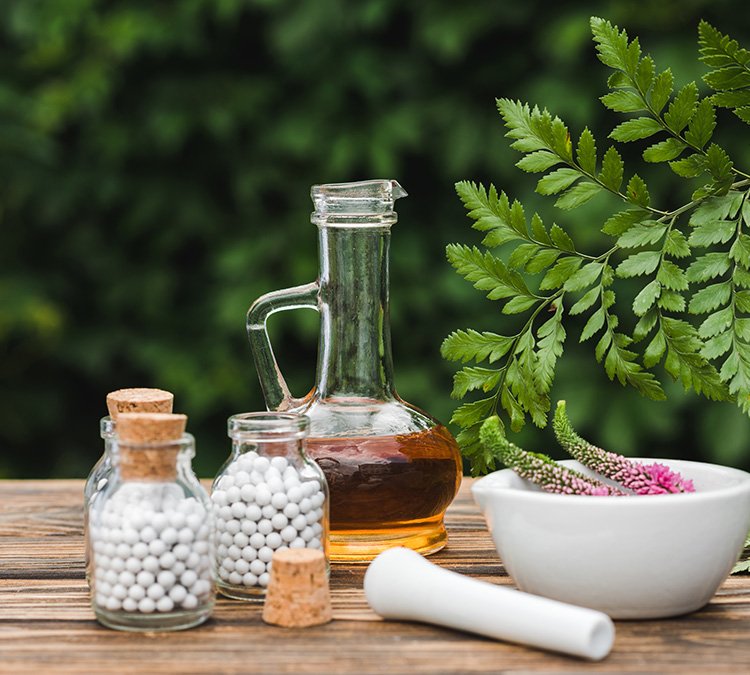
Homeopathic remedies are prepared from plants, minerals, animal products, and even biological substances, through a process of serial dilution and succussion.
For example:
Although homeopathic dilutions often exceed Avogadro’s limit, the remedies are still observed to produce therapeutic effects. Modern scientific reasoning has yet to fully comprehend the mechanism behind this remarkable healing phenomenon. It is hoped that future advances in science—particularly in the understanding of subatomic particles and quantum phenomena—will shed light on how homeopathic remedies exert their effects.
Homeopathy is safeas described below:

Clinical experience and observational studies show benefits in:
Large-scale use in India, Germany, France, and the UK demonstrates widespread patient satisfaction and perceived benefit.
| Category | Examples |
|---|---|
| Chronic skin diseases | Psoriasis, eczema, lichen planus, urticaria, acne |
| Allergic & respiratory disorders | Allergic rhinitis, sinusitis, asthma (as adjunct) |
| Gastrointestinal | IBS, functional dyspepsia, constipation |
| Musculoskeletal | Osteoarthritis, back pain, fibromyalgia |
| Psychological | Anxiety, depression (mild to moderate), insomnia |
| Women’s health | Dysmenorrhea, PMS, menopausal symptoms |
| Pediatric | Recurrent cold, tonsillitis, teething issues, behavioral complaints |
| Metabolic & chronic conditions (adjunctive use) | Diabetes, hypertension, fatty liver (supportive care) |
Homeopathy is best utilized within its appropriate scope of practice. It works most effectively in functional and chronic conditions where the body’s vitality can be stimulated to heal itself. In acute emergencies such as heart attacks, strokes, or major trauma, modern medical intervention remains essential, and Homeopathy can play a complementary, supportive role. In infectious diseases, Homeopathic remedies may assist in symptom relief and faster healing when used alongside indicated antibiotics. For chronic conditions like cancer, renal failure, or advanced organ pathology, Homeopathy can provide valuable supportive care—helping to improve comfort, reduce side effects, and enhance overall well-being. While standardized dosing and objective parameters are still evolving, careful individualization allows for deeply personalized and holistic treatment.
An Integrative Treatment model uses the best of both systems for optimal patient outcomes.
Benefits of Integration
Examples of Integrative Use
When used responsibly and collaboratively, homeopathy and allopathy can complement each other — not compete.
Homeopathy, with its rich 200-year legacy, continues to stand as one of the most trusted and widely practiced systems of complementary medicine across the world. Its gentle, non-toxic, and holistic approach—centered on individualization and the harmony of mind and body—offers patients a pathway to balanced and natural healing. Though scientific exploration of its mechanisms is ongoing, the consistent clinical improvements seen in chronic, lifestyle-related, and psychosomatic conditions highlight its value in promoting overall well-being. The classical and safe homeopathic approach is available at SIMS for all age groups, where many patients have expressed happiness and satisfaction with their treatment outcomes. SIMS has achieved encouraging and satisfactory results in various difficult-to-treat conditions, as reflected in the experiences shared in our Testimonials section. Homeopathy serves as a safe and effective ally in modern integrative healthcare—supporting recovery, enhancing vitality, and complementing conventional medicine to achieve truly holistic, patient-centered healing.